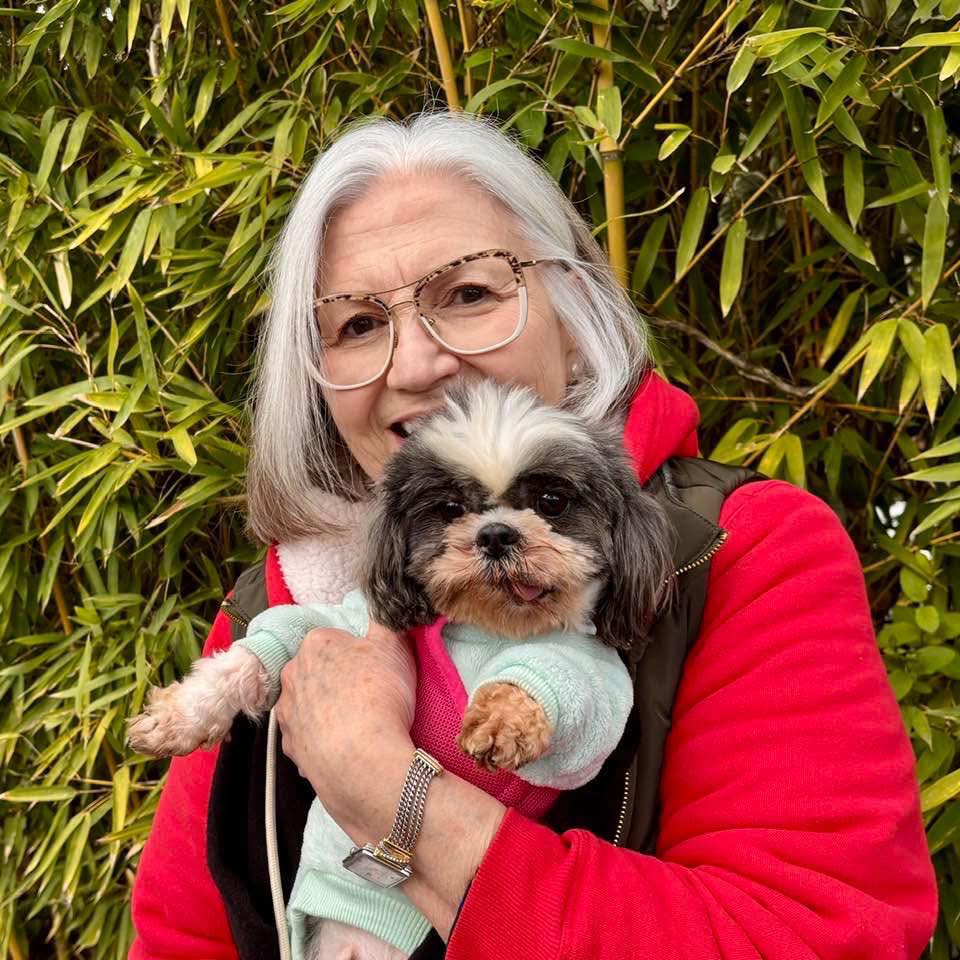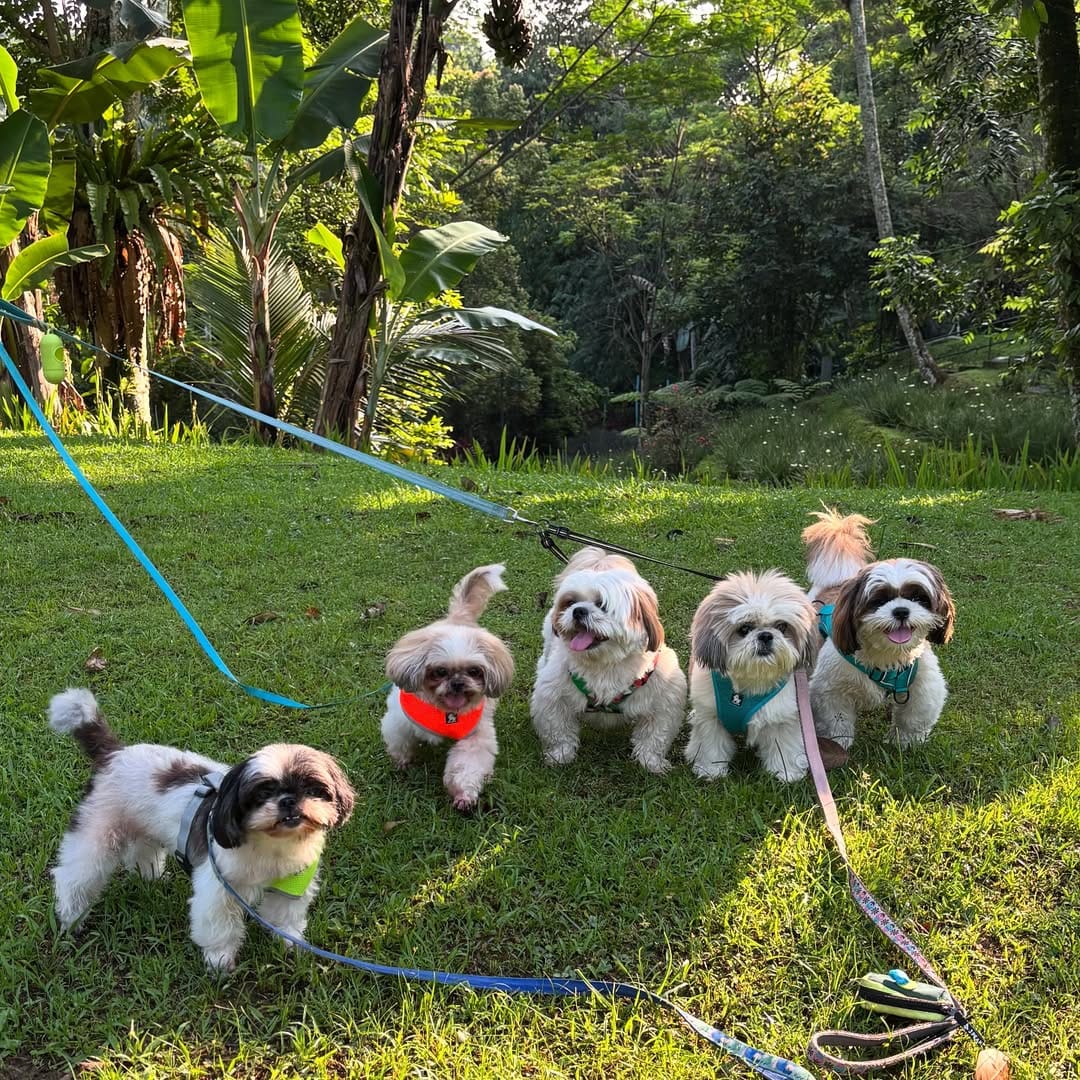
The Shih Tzu temperament is one of the most endearing qualities of this beloved breed. Known as "little lions" with hearts of gold, Shih Tzus were bred exclusively as companion dogs for Chinese royalty. As a breeder at Delasa Forever Shih Tzu with over 10 years of experience serving families across the USA and Canada, I can tell you that their personality is what keeps families coming back to this breed generation after generation. In this comprehensive guide, I'll walk you through every aspect of Shih Tzu temperament, from their affectionate nature to their sometimes-stubborn streak.
Overview: The Shih Tzu Personality
Shih Tzu Temperament with Children
Shih Tzus are excellent family dogs and generally do very well with children – especially those who are taught how to interact respectfully with small dogs. However, there are important considerations:
- Best for older children (6+): Young children may accidentally hurt a small Shih Tzu by dropping them, hugging too tightly, or pulling tails/ears.
- Supervision required: Never leave any dog unsupervised with young children, regardless of breed.
- Teach gentle handling: Show children how to pet gently, support the dog's body when holding, and respect when the dog wants space.
- Tolerance level: Well-socialized Shih Tzus are remarkably tolerant of children, but they will not tolerate rough handling indefinitely.
Key takeaway: When raised with children from puppyhood, Shih Tzus form incredibly strong bonds and become devoted family members. Many Delasa Forever Shih Tzu puppies have grown up in homes with kids and thrived.
Shih Tzu Temperament with Other Dogs
Shih Tzus generally get along well with other dogs when properly socialized. They don't have the "small dog syndrome" that can make some tiny breeds aggressive toward larger dogs. However:
- Socialization is key: Early, positive exposure to other dogs is essential for a well-adjusted Shih Tzu.
- Same-sex aggression: Some Shih Tzus, particularly males, may show dominance with other males, especially if unneutered.
- Better with similar sizes: While they can get along with large dogs, supervision is important – one accidental step or play bow could injure a tiny Shih Tzu.
- Dog parks: Use caution. Small dog areas are ideal; mixing with large, energetic dogs can be dangerous.
Shih Tzu Temperament with Cats and Other Pets
Shih Tzus generally do well with cats, especially when introduced properly as puppies. Their non-aggressive, companion-oriented nature means they're more likely to be curious about cats than aggressive toward them. Many Delasa Forever Shih Tzu puppies live happily with feline housemates. They also typically do fine with other small pets like rabbits or guinea pigs when raised together, though their prey drive is low compared to terrier breeds.
Shih Tzu Temperament with Strangers
Unlike some toy breeds that become one-person dogs, Shih Tzus are generally friendly with everyone in the family and warm to visitors. However, there are variations:
- Socialized Shih Tzu: Will greet strangers with wagging tail and open friendliness.
- Less socialized: May be reserved or even shy around unfamiliar people – another reason socialization is critical.
- Barking: Most Shih Tzus will bark when someone approaches the door – they make good watchdogs. However, they're not typically aggressive and will usually quiet down once the visitor enters and is welcomed by the owner.
Training and Intelligence: Working with Shih Tzu Temperament
Shih Tzus are intelligent dogs, but their independent streak and selective hearing can make training challenging. Here's what works:
Are Shih Tzus Easy to Train?
The honest answer: moderately difficult. Not because they aren't smart – they are – but because they were bred to be companions, not working dogs. They don't have the eager-to-please drive of a Golden Retriever. However, with the right approach, Shih Tzus absolutely can learn commands and good manners.
Training Tips That Work for Shih Tzus
- Use high-value treats: Real chicken, cheese, or hot dogs (cut into tiny pieces). They're food motivated – use it!
- Keep sessions short: 5-10 minutes maximum. Their attention spans are short.
- Be consistent: Same commands, same rules, everyone in the household on the same page.
- Positive reinforcement only: Harsh corrections will shut down a sensitive Shih Tzu or make them stubbornly refuse to work.
- Start early: Puppy kindergarten classes are excellent for both training and socialization.
Common Shih Tzu Behavior Issues and Solutions
1. Excessive Barking
Cause: Boredom, alerting to visitors, anxiety, or learned behavior (if barking gets attention).
Solution: Increase exercise and mental stimulation. Teach "quiet" command. Ignore attention-seeking barking. Address underlying anxiety.
2. Separation Anxiety
Cause: Shih Tzus were bred to be with people constantly. Being left alone goes against their nature.
Solution: Crate training, gradual desensitization to departures, leaving puzzle toys, and in severe cases, consulting a veterinary behaviorist.
3. Stubbornness/Selective Hearing
Cause: Independent personality inherited from their Tibetan ancestry.
Solution: Make training fun and rewarding. Never punish a Shih Tzu for not obeying – they'll just learn to avoid you when they see a treat.
4. Housebreaking Difficulty
Cause: Small bladders and stubborn personalities.
Solution: Potty training consistency – frequent schedules, crate training, enzymatic cleaners, and patience. (See our detailed potty training guide for help.)
Shih Tzu Energy Levels and Exercise Needs
Shih Tzus have low to moderate energy levels. They enjoy daily walks and play sessions but are equally happy to cuddle on the couch. This makes them excellent apartment dogs and companions for seniors. However, don't let the "low energy" label fool you – they need daily activity to prevent obesity and boredom-related behavior problems. See our complete exercise guide for detailed recommendations.
Adaptability: Are Shih Tzus Good for Apartments?
Yes – Shih Tzus are one of the best apartment breeds. Their small size, low exercise requirements, and relatively quiet nature (with training) make them ideal for city living. They adapt well to:
- Small apartments
- High-rise buildings (potty pad training is common)
- Houses with or without yards
- Homes with stairs (though ramps help protect joints long-term)
Finding Your Perfect Shih Tzu Puppy
At Delasa Forever Shih Tzu, we carefully evaluate temperament from birth, matching puppies with families based on personality, not just looks. View our available Shih Tzu puppies for sale or contact Carolina to discuss which puppy's temperament would best fit your family.
Conclusion: Is the Shih Tzu Temperament Right for You?
The Shih Tzu temperament is perfect for many families but not for everyone. They thrive with:
- Owners who are home often or can take them along
- Families with older, respectful children
- Seniors looking for a loving lap dog
- Apartment dwellers
- First-time dog owners willing to be patient with training
If you're looking for a fiercely independent dog who doesn't need much attention, a Shih Tzu is not for you. But if you want a loyal, affectionate, playful companion who will want to be by your side through everything – you've found your perfect match.