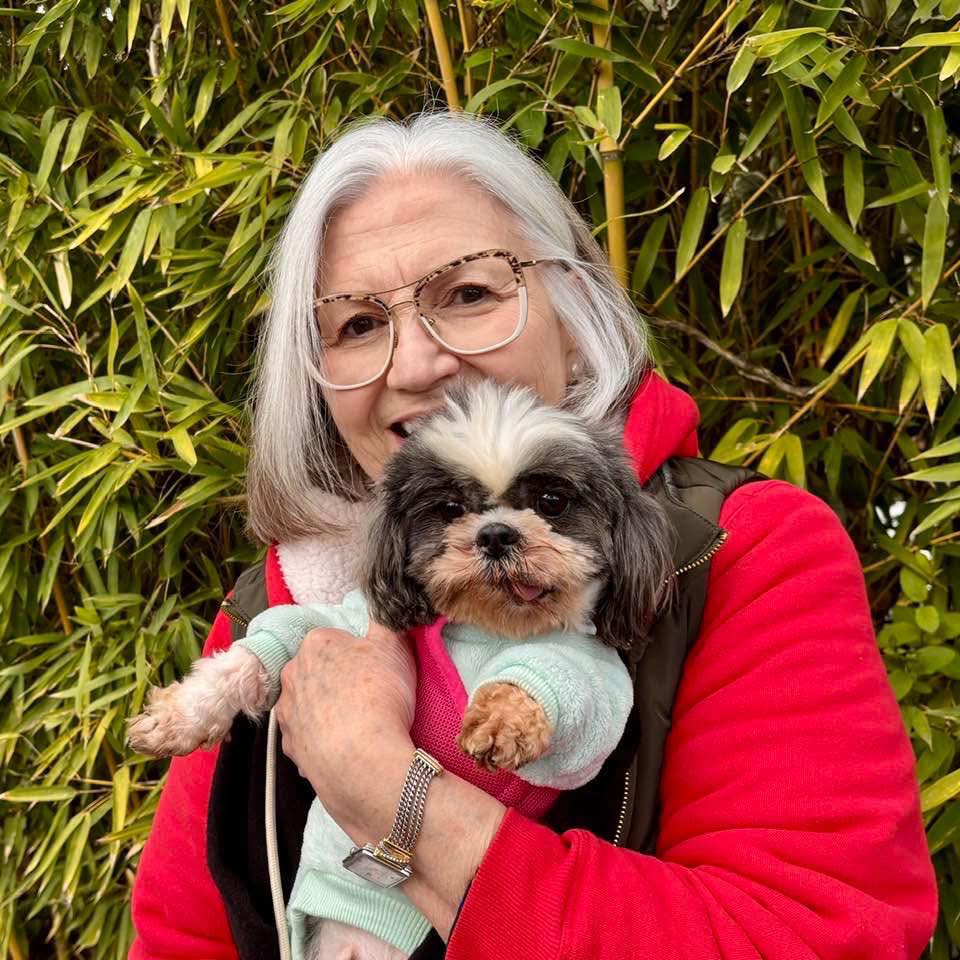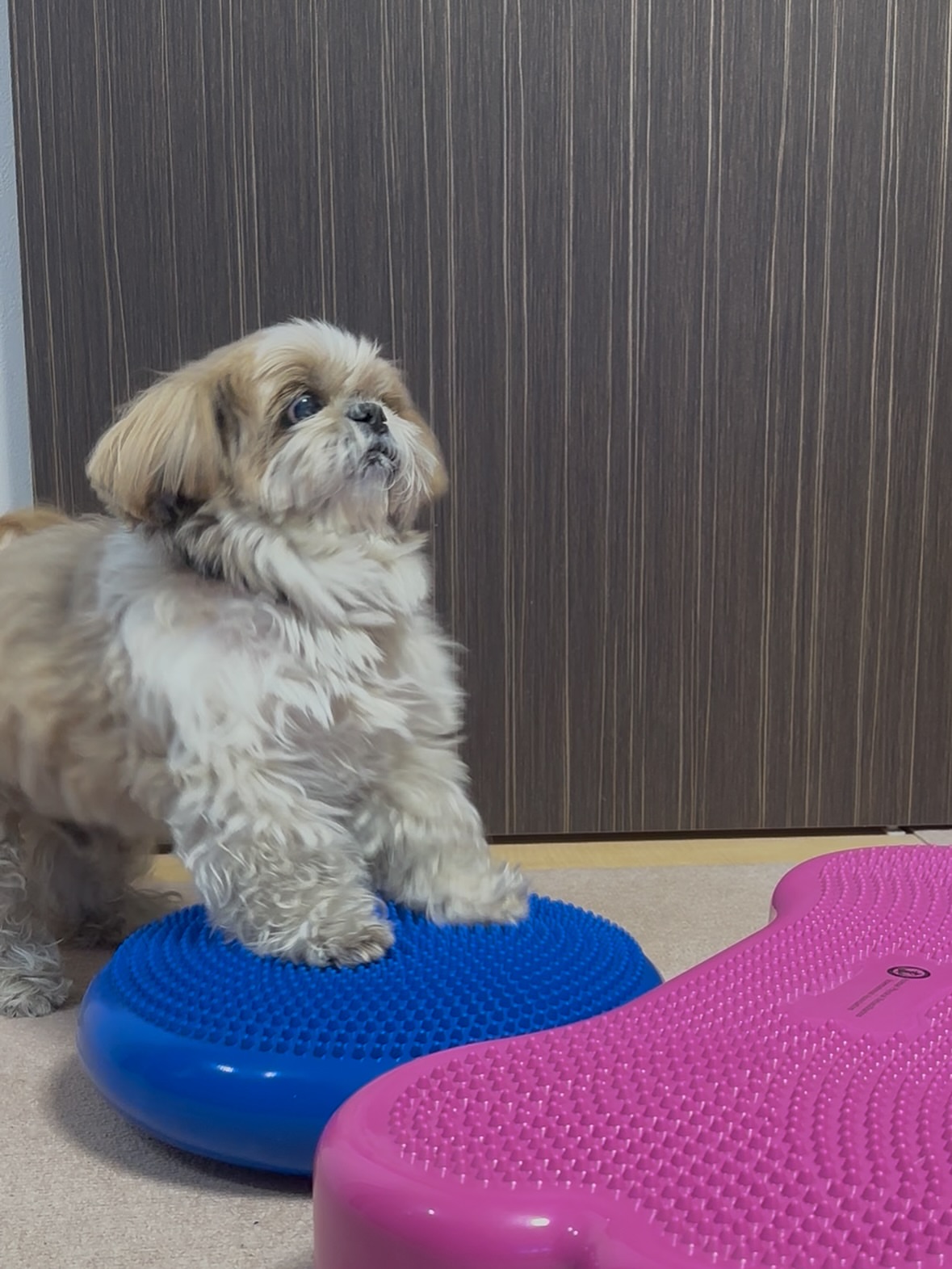
Potty training a Shih Tzu puppy can be challenging – I won't sugarcoat it. Their small bladders and sometimes stubborn personalities mean housebreaking requires patience and consistency. But with the right techniques, your Shih Tzu can become reliably housetrained. As a breeder who has potty-trained hundreds of puppies at Delasa Forever Shih Tzu, I'm sharing my proven methods that work for families across the USA and Canada.
Why Shih Tzus Can Be Harder to Housetrain
- Small bladder capacity: Young puppies can only hold it for 1-2 hours
- Stubborn streak: Shih Tzus were bred to be independent companions, not eager-to-please working dogs
- Sensitivity to weather: Many refuse to go outside in rain, snow, or cold temperatures
- Subtle signals: Their small size means you might miss their "I need to go" cues
How Long Does Potty Training Take?
- Weeks 8-12: Begin routines. Expect frequent accidents.
- Months 3-5: Significant improvement with consistent training. Your puppy will start signaling.
- Months 6-8: Most puppies are reliably housetrained, though occasional accidents happen.
- Month 9+: Full reliability with consistent reinforcement.
Some Shih Tzus take up to a year – that's normal! Don't compare your progress to larger breeds that train faster.
Essential Tools for Success
- Crate: Just big enough for your puppy to stand, turn, and lie down – not larger (they'll use one corner as a bathroom)
- Puppy pads or grass patch: Especially for apartment dwellers or cold climates
- Enzymatic cleaner: Regular cleaners don't fully remove urine scent, encouraging repeat accidents in the same spot
- High-value treats: Small, soft treats they only get for potty success
- Training bells (optional): Hang on door handle – puppy learns to ring when needing to go out
- Clicker (optional): Marks the exact moment of success
Step-by-Step Potty Training Method
Step 1: Crate Training is the Foundation
Dogs instinctively avoid soiling their sleeping area when the space is appropriately sized. A crate is not punishment – it's your puppy's den, a safe, comfortable space.
Crate schedule: Puppies under 8 weeks (1 hour max), 8-10 weeks (1-2 hours), 10-12 weeks (2-3 hours), 12-16 weeks (3-4 hours), 5-6 months (4-5 hours), 6+ months (up to 6-8 hours).
Never leave a puppy in a crate longer than their age-appropriate limit. This causes stress and actually encourages them to soil the crate.
Step 2: Establish a Predictable Schedule
Take your puppy out at these times religiously: upon waking in the morning, after every meal (within 5-15 minutes), after every nap, after play sessions, before bed, middle of the night for young puppies, and every 1-2 hours during the day. Set a timer on your phone – when it goes off, out you go. Consistency creates habit.
Step 3: Use Supervised Freedom
Don't give your puppy free run of the house. Keep them on a leash attached to you ("umbilical cord" method), in a small puppy-proofed room, or behind a baby gate in the same room as you. If you can't supervise (cooking dinner, taking a shower), your puppy goes in the crate.
Step 4: Use a Command Word and Reward Immediately
When you take your puppy to the potty spot, say "Go potty" or "Do your business" in a calm, encouraging tone. The SECOND they finish, reward with a treat and enthusiastic praise. Don't wait until you're back inside – the reward must be immediate to create the association. Over time, your puppy will learn to go on command – incredibly useful for travel, bad weather, or before car rides.
Step 5: Handle Accidents Correctly
What NOT to do: Don't rub their nose in it (cruel and ineffective), don't yell or punish (teaches them to hide when they need to go), don't wait to clean up (urine scent encourages more accidents).
What TO do: If you catch them in the act, say "Oops!" quickly, pick them up, and rush outside to finish. If you find an accident after the fact, simply clean it with enzymatic cleaner. Puppies don't understand punishment for past actions. Clean thoroughly with enzyme-based cleaner (Nature's Miracle or similar).
Bell Training: Teach Your Shih Tzu to Signal
Training bells hang on the door handle at puppy nose level. Let puppy sniff the bells, treat when they touch them. Each time you go outside, gently tap the bells with their paw or nose, say "Outside," then go out. After 1-2 weeks, they'll start ringing bells on their own to signal. Always respond immediately when they ring – if you ignore, they'll stop using the bells. Most Shih Tzus learn bell training within 2-4 weeks.
Nighttime Potty Training
Young puppies can't hold it through the night. Wake up on a schedule: 8-12 weeks (every 3-4 hours overnight), 12-16 weeks (every 4-5 hours overnight), 16+ weeks (many can go 6-8 hours, but individual variation exists). Make nighttime potty breaks boring: no play, no treat (just calm praise), low lights, keep them on leash, return directly to crate. This teaches that night trips are for business only.
Common Potty Training Mistakes to Avoid
- Using puppy pads and wondering why your dog pees on rugs (dogs don't naturally understand that pads = OK but rugs = not OK – the textures are similar)
- Waiting 5-10 minutes after meals before going out (puppies often need to go within 2-3 minutes of eating)
- Giving too much freedom too fast (if your puppy is having accidents, go back to stricter supervision)
- Using a crate that's too large (they'll pee in one corner and sleep in the other)
- Punishing accidents (creates secretive peeing behind furniture)
- Expecting too much too soon (a 4-month-old is NOT reliably housetrained yet)
Apartment/Small Space Solutions
Living in an apartment or high-rise doesn't prevent successful potty training, but requires adaptation: grass patch on balcony (real grass or artificial "porch potty" lets your puppy learn on a natural surface), train two surfaces (many apartment dwellers train their dog to use both a balcony patch AND outdoor grass), use a pee pad with frame (prevents sliding and contains messes), and carry your puppy until outside – don't let them walk through hallways (they may go before reaching outdoors).
When to Seek Professional Help
If your puppy is over 8 months old and still having multiple accidents daily despite consistent training, consult your vet to rule out urinary tract infections, bladder stones, or other medical causes. Consider a private trainer (a few sessions can identify gaps in your technique) or a behaviorist evaluation for anxiety-related elimination issues.
Find Your Perfect Shih Tzu Puppy
At Delasa Forever Shih Tzu, we start potty training in our home using the crate and schedule methods. Our available Shih Tzu puppies for sale arrive with a head start on housebreaking. Contact Carolina for personalized potty training guidance for your new puppy.