Shih Tzus are famous for their luxurious, flowing coats. But not all Shih Tzu coats are the same – and understanding your puppy's coat type is essential for proper grooming and care. As a breeder at Delasa Forever Shih Tzu with over 10 years of experience serving families across the USA and Canada, I've worked with every coat variation. Here's everything you need to know about Shih Tzu coat types, colors, and care.
The Shih Tzu Double Coat Explained
Shih Tzus have a double coat: a soft, dense undercoat and a longer, silkier outer coat. This double layer provides insulation against both cold and heat. Unlike many double-coated breeds, Shih Tzus are considered "hair" rather than "fur" – their coat grows continuously and sheds minimally.
- Undercoat: Soft, woolly texture that provides insulation
- Outer coat: Longer, silkier, often wavy but not curly
- Growth pattern: Continuous growth like human hair, not seasonal shedding
Puppy Coat vs. Adult Coat
Many new owners are surprised when their Shih Tzu's coat changes color and texture as they mature. Here's what to expect:
Puppy Coat (Birth to 6-8 months)
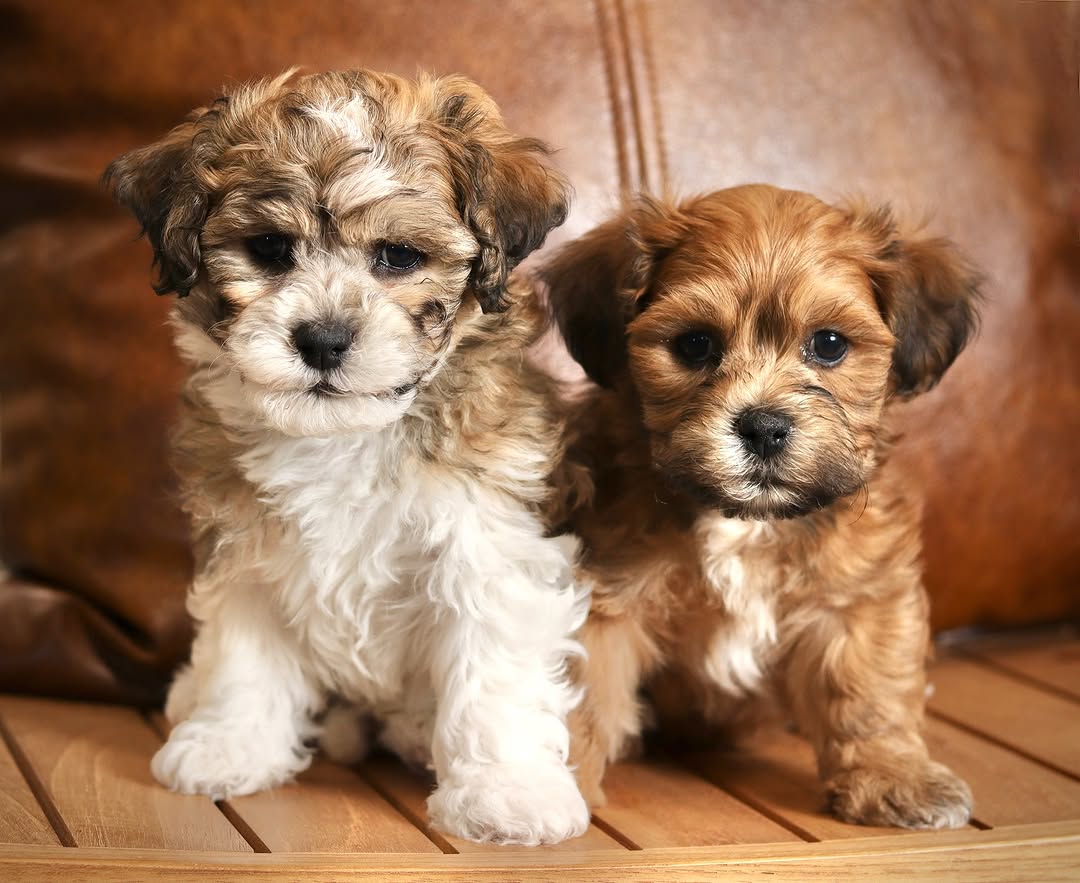
Shih Tzu puppies are born with a soft, short, single coat. The colors may be very different from their adult coloring. Many puppies have dark masks or patches that fade or change completely.
Transition Phase (6-12 months)
Between 6 and 12 months, your Shih Tzu's adult coat begins growing in. You may see two distinct textures – the soft puppy coat and the coarser adult coat. This is the "ugly stage" that breeders warn about. Regular brushing during this phase is critical to prevent mats where the two coat types meet.
Adult Coat (12-18 months)
By 12-18 months, your Shih Tzu will have their full adult double coat. The texture should be silky, not woolly or cottony. Colors are now set (though some graying continues with age).
Shih Tzu Coat Textures
Shih Tzus can have one of several coat textures, each with different grooming needs:
- Silky: The ideal show coat – smooth, straight, and glossy. Requires extensive daily grooming.
- Wavy: Very common in pet Shih Tzus. Slightly wavy but not curly. Easier to maintain than silky.
- Cottony: Soft, fluffy texture that mats extremely easily. Requires professional grooming every 4 weeks.
- Wire/Coarse: Rougher texture, less common. Usually easier to maintain as it mats less.
Shih Tzu Colors: The Full Spectrum
Shih Tzus come in virtually every color imaginable. The AKC accepts all colors. Here are the most common:
Coat Changes: When Colors Transform
Shih Tzu colors are NOT stable through life. Here's what changes:
- Gold puppies: May lighten to cream or darken to deep gold by 2 years
- Black puppies: May develop silver or white hairs with age (not graying, but color change)
- Liver/Brown: Often lightens significantly as they mature
- Black masks: Almost always fade, sometimes disappear completely
- White markings: Usually remain stable but may spread slightly
Expect the unexpected! The puppy you bring home at 8 weeks will likely look very different at 2 years old. Embrace the surprise – it's part of the Shih Tzu charm.
Grooming Requirements by Coat Type
Silky Coat (High Maintenance)
Daily brushing (30+ minutes), professional groom every 3-4 weeks, regular oiling and conditioning, top knots to keep hair out of eyes.
Wavy Coat (Moderate Maintenance)
Brush every 2-3 days (15-20 minutes), professional groom every 4-6 weeks, standard shampoo and conditioner.
Cottony Coat (Very High Maintenance)
Daily brushing required (30+ minutes), professional groom every 4 weeks, use detangling spray religiously, keep coat shorter (puppy cut) to reduce matting.
Wire/Coarse Coat (Lower Maintenance)
Brush weekly, professional groom every 6-8 weeks, easier to maintain but less "classic Shih Tzu" appearance.
Shedding: Do Shih Tzus Shed?
The short answer: minimally. Shih Tzus are often recommended for allergy sufferers because they shed very little. However, they are not "hypoallergenic" – no dog truly is. Their hair grows continuously like human hair, so loose hairs may get trapped in the coat rather than falling to the floor. Regular brushing removes trapped shed hair.
What about "teacup" or "imperial" Shih Tzus? These are not official sizes and may have different coat textures. Be cautious of breeders advertising these terms – they often indicate poor breeding practices. Read our complete guide on teacup Shih Tzus here →
Seasonal Coat Changes
Unlike double-coated breeds that "blow" their coat twice a year, Shih Tzus shed lightly year-round. However, many owners notice:
- Summer: Slightly lighter shedding, coat may thin slightly
- Winter: Thicker, fuller coat
- Females in heat: May temporarily shed more
- After spay/neuter: Coat may become thicker and softer
Coat Problems to Watch For
- Excessive shedding: Could indicate thyroid issues, allergies, or poor nutrition
- Dull, brittle coat: May need omega-3 supplements or food change
- Patchy hair loss: Possible mange, ringworm, or hormonal issues – see vet
- Greasy or flaky skin: Often allergies or seborrhea
Nutrition for a Healthy Coat
The best coat starts from within. Feed your Shih Tzu a high-quality diet with:
- Omega-3 and Omega-6 fatty acids: Fish oil, flaxseed
- High-quality protein: Real meat as first ingredient
- Biotin and zinc: Supports hair growth and skin health
- Plenty of fresh water: Hydration is essential for coat health
Find Your Perfect Shih Tzu Puppy
At Delasa Forever Shih Tzu, we proudly raise puppies in every color and coat type. View our available Shih Tzu puppies for sale or contact Carolina to learn about upcoming litters and their expected coat colors.