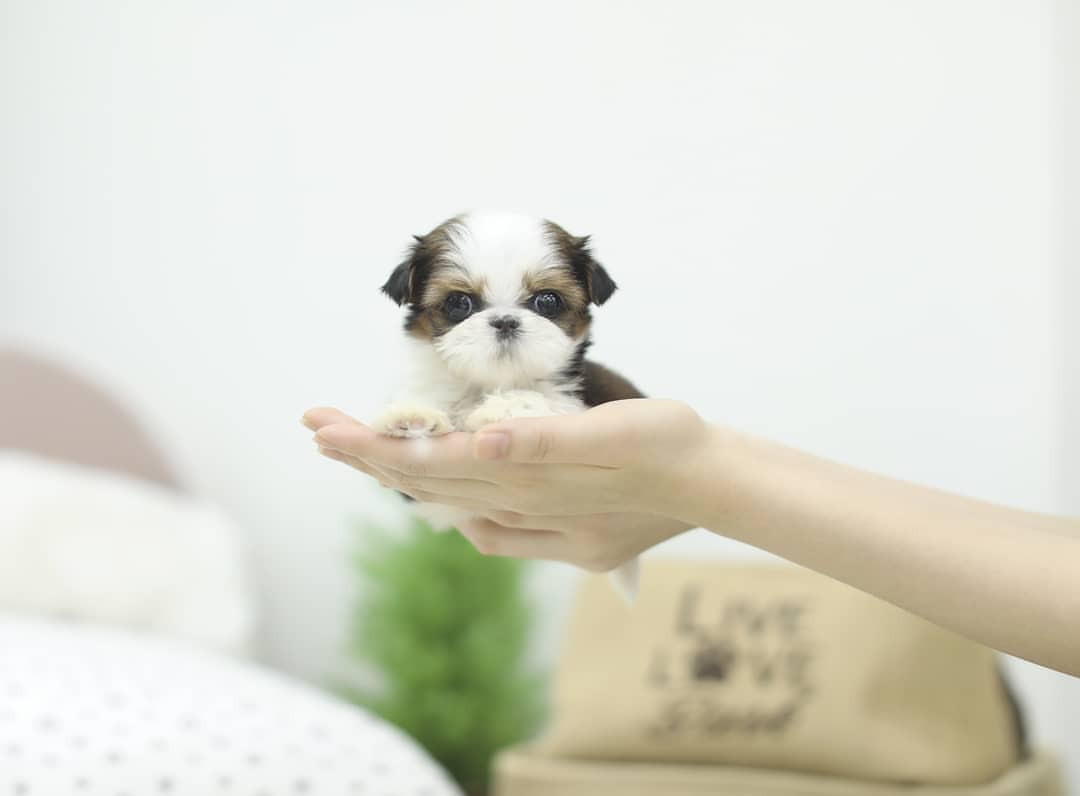
"Teacup Shih Tzu" – it sounds adorable, doesn't it? A tiny Shih Tzu that fits in a teacup. But as a responsible breeder at Delasa Forever Shih Tzu with over 10 years of experience serving families across the USA and Canada, I have an ethical obligation to tell you the truth about these so-called "teacup" dogs. This may not be what you want to hear, but it's what you NEED to know before making a decision.
⚠️ Important Truth: "Teacup" is not a recognized size or breed. It is a marketing term used by unethical breeders to sell undersized, often unhealthy puppies at inflated prices. No reputable Shih Tzu breeder breeds for "teacup" size.
What Does "Teacup Shih Tzu" Actually Mean?
The term "teacup" is completely unregulated. It typically refers to Shih Tzus bred to be under 6 pounds and under 6 inches tall – significantly smaller than the breed standard of 9-16 pounds. These dogs are created by:
- Breeding the smallest puppies from each litter (runts)
- Breeding dogs with dwarfism or other genetic abnormalities
- Inbreeding to achieve small size
- Malnourishing puppies to stunt growth (extremely cruel)
The AKC Breed Standard vs. "Teacup"
The American Kennel Club (AKC) breed standard for Shih Tzus states: "Ideal weight is 9 to 16 pounds." Dogs under 9 pounds are considered undersized and are disqualified from conformation showing. Dogs under 6 pounds have serious health risks.
Health Risks of Teacup Shih Tzus
Intentionally breeding for extreme smallness creates dogs with severe, often lifelong health problems:
1. Hypoglycemia (Low Blood Sugar)
Teacup dogs have tiny livers that cannot store enough glucose. They can crash suddenly, leading to seizures, coma, and death. Owners must feed these dogs every 2-3 hours around the clock – even through the night.
2. Fragile Bones
Their bones are extremely thin and break easily. A jump off a couch, a child's hug, or even a fall from your arms can cause fractures. Veterinary surgery on such tiny bones is difficult and expensive.
3. Liver Shunts (Portosystemic Shunt)
This is a devastating genetic condition common in undersized dogs where blood bypasses the liver, allowing toxins to build up. Symptoms include seizures, stunted growth, and behavioral abnormalities. Treatment is major surgery costing $5,000-$10,000 – and many don't survive.
4. Dental Problems
Tiny mouths mean crowded, misaligned teeth that require extensive dental care. Retained baby teeth, impacted teeth, and severe overcrowding are common.
5. Respiratory Issues
Their already brachycephalic (flat-faced) anatomy is even more compressed, leading to severe breathing problems, collapse during exercise, and heat stroke risk even in mild weather.
6. Heart Defects
Congenital heart defects are rampant in teacup breeding lines. Many teacup puppies don't live past their first birthday due to heart failure.
7. Hydrocephalus (Water on the Brain)
The dome-shaped head often seen in teacup puppies is actually a sign of hydrocephalus – excess fluid in the brain. This causes seizures, blindness, and severe developmental delays.
"Imperial" and "Miniature" Shih Tzus – Same Problems, Different Name
Unethical breeders have rebranded "teacup" as "imperial" or "miniature" to avoid negative associations. These terms mean the same thing: undersized dogs bred at the expense of health.
The Honest Truth from an Ethical Breeder
As a responsible breeder at Delasa Forever Shih Tzu, I:
- Never breed for size extremes – I breed for health, temperament, and conformation to the AKC standard
- Health test all breeding dogs for liver shunts, eye diseases, patella issues, and heart conditions
- Maintain proper weight ranges – my puppies mature to 9-16 pounds as nature intended
- Would never use the term "teacup" – it's a red flag for unethical breeding
Why Do People Still Buy Teacup Shih Tzus?
Marketing works. "Teacup" sounds adorable, and the price tag ($3,000-$10,000+) makes people think they're getting something rare and valuable. In reality, you're paying a premium for a dog with severe health problems and a drastically shortened lifespan.
What About Naturally Small Shih Tzus?
Sometimes, a healthy Shih Tzu naturally falls at the low end of the breed standard – perhaps 7-8 pounds as an adult. This is different from a "teacup." These dogs are healthy, just small. The difference is intent: responsible breeders don't purposely breed for extreme smallness.
Questions to Ask Before Buying a Very Small Shih Tzu
- What do the parents weigh? (Should be 9-16 pounds)
- Have the parents been health tested for liver shunts?
- Can I see vet records and health guarantees?
- Why is this puppy smaller than the breed standard?
- Will you guarantee against genetic health issues for 2+ years?
If a breeder can't answer these questions clearly, walk away.
Finding a Healthy, Well-Bred Shih Tzu
Instead of seeking a teacup, look for:
- A responsible breeder who health tests and breeds to standard
- Parents who are 9-16 pounds – this is the healthy range
- Puppies that are active, alert, and well-socialized
- Written health guarantees and complete vet records
Find Your Perfect Shih Tzu at Delasa Forever Shih Tzu
At Delasa Forever Shih Tzu, we breed for health, temperament, and longevity – not extreme size. Our puppies mature to the healthy breed standard of 9-16 pounds. View our available Shih Tzu puppies for sale or contact Carolina to learn about upcoming litters from health-tested parents.
The Bottom Line
Teacup Shih Tzus are not cute anomalies – they are the product of unethical breeding practices that prioritize profit over animal welfare. By choosing a responsibly bred Shih Tzu at a healthy size, you're giving yourself a companion who can live a full, active, healthy life – not one plagued by preventable medical issues. The extra few pounds are worth decades of love.