Feeding your Shih Tzu the right food is one of the most important decisions you'll make. Proper nutrition affects coat quality, energy levels, dental health, and longevity. As a breeder who has raised hundreds of Shih Tzus at Delasa Forever Shih Tzu, I've learned exactly what works for this unique breed.
Understanding Shih Tzu Nutritional Needs
- High-quality protein: Supports muscle maintenance and coat health
- Moderate fat: Provides energy without causing obesity
- Small kibble size: Easy for flat-faced mouths to pick up
- Omega fatty acids: Promotes healthy skin and reduces shedding
- Dental support ingredients: Helps reduce plaque and tartar buildup
Life Stage Feeding Guide
Puppy Stage (8 weeks - 12 months)
Feed small breed puppy formula 3-4 times daily. Look for DHA for brain development, calcium and phosphorus for strong bones, and higher protein content (minimum 28%). At Delasa Forever Shih Tzu, we feed Royal Canin Shih Tzu Puppy formula.
Adult Stage (1-7 years)
Feed twice daily, approximately ½ to 1 cup total per day. Protein: 22-26%, Fat: 12-15%, Fiber: 4-6%. A typical 10-12 lb Shih Tzu needs about ⅔ cup daily.
Senior Stage (7+ years)
Senior formulas offer fewer calories, higher fiber, and joint support (glucosamine and chondroitin). Feed ½ to ¾ cup total daily. Monitor weight closely as metabolism slows with age.
Top Recommended Dog Food Brands
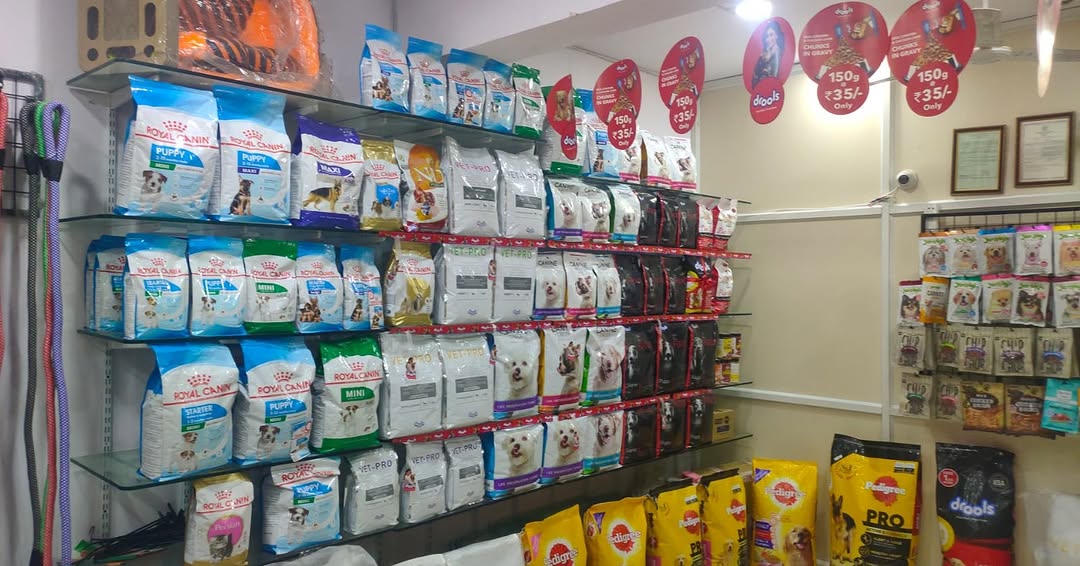
- Royal Canin Shih Tzu: Specifically formulated for the breed – unique kibble shape designed for flat faces, supports coat health. This is what I feed my own dogs and puppies at Delasa Forever Shih Tzu.
- Hill's Science Diet Small & Toy Breed: Clinically proven antioxidants, excellent for sensitive stomachs.
- Wellness CORE Small Breed: Grain-free option with high protein (38%), probiotics for digestive health, and omega fatty acids.
- Blue Buffalo Life Protection Small Breed: Real meat first ingredient, antioxidant-rich "LifeSource Bits."
Wet Food vs Dry Food vs Raw Diet
Dry Kibble (Recommended): Helps clean teeth, cost-effective, convenient. Choose small breed formula with appropriate kibble size.
Wet/Canned Food: Good as a topper for kibble or for senior dogs with dental issues, but not recommended as the sole diet.
Raw Diet: Consult your veterinarian before starting. If you choose raw, purchase commercially prepared frozen raw diets from reputable brands.
Foods Shih Tzus Should NEVER Eat
- Chocolate, grapes, raisins, onions, garlic, chives, leeks
- Xylitol (artificial sweetener found in sugar-free gum, candy, toothpaste)
- Macadamia nuts, avocado, alcohol, caffeine
- Cooked bones (can splinter and cause internal injuries)
Safe Human Foods for Shih Tzus (In Moderation)
- Lean cooked chicken, turkey, or beef (no seasoning, no bones)
- Cooked eggs, plain pumpkin puree, carrots, green beans
- Plain yogurt (probiotics for gut health), cooked sweet potato
- Apple slices (no seeds – seeds contain cyanide), blueberries, strawberries
How Much Should You Feed?
- 5-8 lbs: ¼ to ½ cup daily (split into 2 meals)
- 9-12 lbs: ½ to ⅔ cup daily
- 13-16 lbs: ⅔ to ¾ cup daily
- 17-20 lbs: ¾ to 1 cup daily
Body condition check: You should be able to feel your dog's ribs without pressing hard. If you can't feel ribs, reduce portions. If ribs are highly visible, increase portions.
How to Transition Your Shih Tzu to New Food
- Days 1-2: 25% new food + 75% old food
- Days 3-4: 50% new food + 50% old food
- Days 5-6: 75% new food + 25% old food
- Day 7: 100% new food
Monitor for loose stools or decreased appetite. If issues persist, slow down the transition.
At Delasa Forever Shih Tzu, we start every puppy on Royal Canin Shih Tzu puppy formula and send you home with a starter bag. View our available Shih Tzu puppies for sale or contact Carolina for personalized feeding advice for your new puppy.